
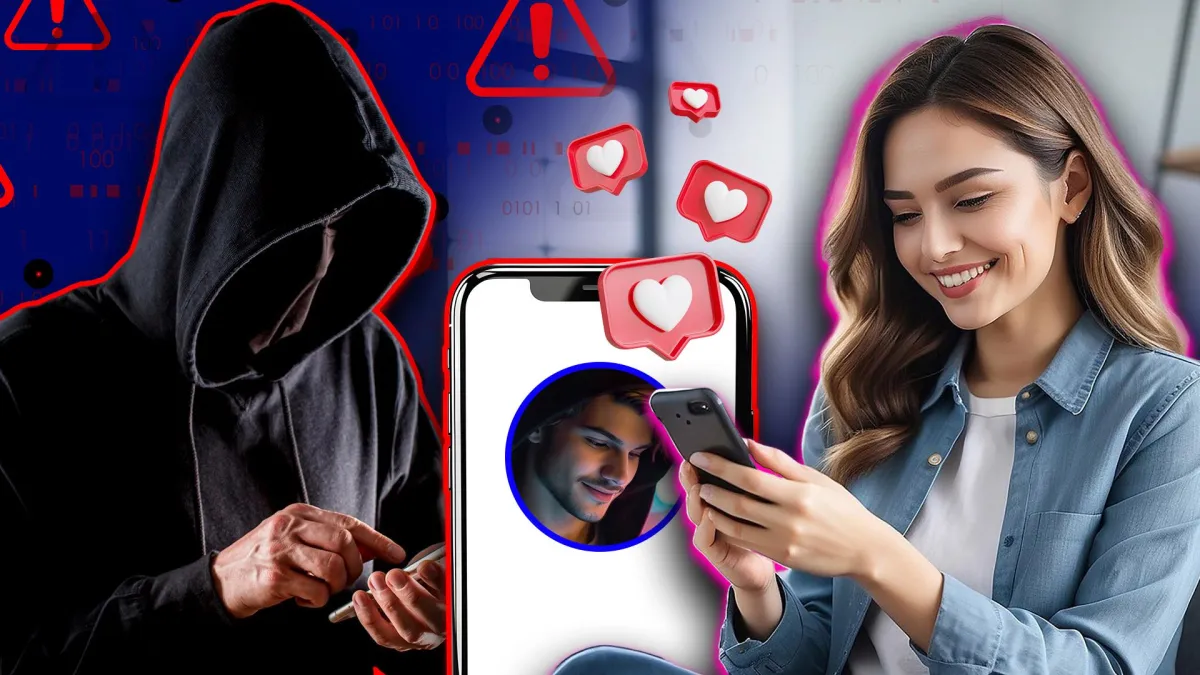
How Hackers Profit from Your Loneliness
Online dating has changed the game, no doubt. But let’s be honest, the internet is full of predators. You swipe, you match, you think you’ve found “the one,” and then, suddenly, you’re caught in a scammer’s trap. Romance scams don’t care about your heart. They care about your wallet.
And it’s often when you’re most vulnerable that scammers strike. They know you’re searching for connection. You want love. They want your money. It’s as simple as that.
The Reality Behind Romance Scams
Romance scams aren’t a minor inconvenience; they’re a massive problem. Cybercriminals prey on loneliness, manipulating emotions and exploiting people’s need for connection. They make you feel special, and then they make you broke.
In 2022, the U.S. Federal Trade Commission reported nearly 70,000 romance scams, costing victims about US$1.3 billion. Because online platforms allow scammers to hide behind fake profiles, anyone can be a target. Older adults, in particular, are at higher risk since they may not recognize the digital warning signs.
The Scam Playbook
They don’t come right out and ask for money. Instead, they arrive like wolves in sheep’s clothing. Here’s how their game works:
1. Fake Profiles on Dating Apps
They create profiles that seem too good to be true: attractive, successful, emotionally available. Everything you’re looking for. But it’s all fiction.
2. They Build Trust Fast
They slide into your inbox, shower you with compliments, and make you feel seen. Before long, it feels like something real.
3. It Gets Emotional and Expensive
Then comes the crisis: a car accident, a stranded trip, or a medical emergency. They need your help and your money. Once you send it, the trap is set.
4. They Exploit Emotional Moments
Scammers know timing and emotions are everything. They send fake e-cards or “romantic” gifts with malicious links that steal your data or money. You think it’s a sweet gesture; they think it’s payday.
Red Flags You Should Never Ignore
Save yourself the heartbreak. Watch for these signs, and if you see any, stop.
No video calls:
They “never have time” for a face-to-face chat? Red flag. They’re hiding something.
Sudden requests for cash:
If someone you’ve just met online asks for money, run.
Inconsistent stories:
One day they’re an entrepreneur; the next, a military doctor. Sound familiar? It should. It’s a scam.
Protect Yourself Like a Pro
If you don’t want to be another statistic, stay smart and sceptical.
Tip #1: Verify their identity
Don’t take their profile at face value. Do a reverse image search since scammers often use stolen or stock photos.
Tip #2: Guard your personal information
Never share private details with strangers. Keep your personal life private.
Tip #3: Trust your instincts
If something feels off, it probably is. You don’t owe anyone anything. Pressure tactics are a major red flag.
Tip #4: Never click unsolicited links
Unexpected e-cards or “gift tracking” links? Don’t click. It’s likely a trap.
If You’ve Already Been Targeted
If you’ve fallen for a scam, here’s what to do right away:
Stop all communication. Block them immediately.
Report the profile. Notify the dating platform so others aren’t victimized.
Contact the authorities. Report it to your local police or the Canadian Anti-Fraud Centre.
Warn others. Share your experience. The more people you tell, the fewer victims scammers can find.
Stay Smart, Stay Safe
Romance scams thrive on manipulation, using your emotions and trust against you. But with awareness and caution, you can spot the warning signs before it’s too late.
Love shouldn’t come with a price tag. Protect your heart and your wallet. Real love is built on trust, not transactions.

