
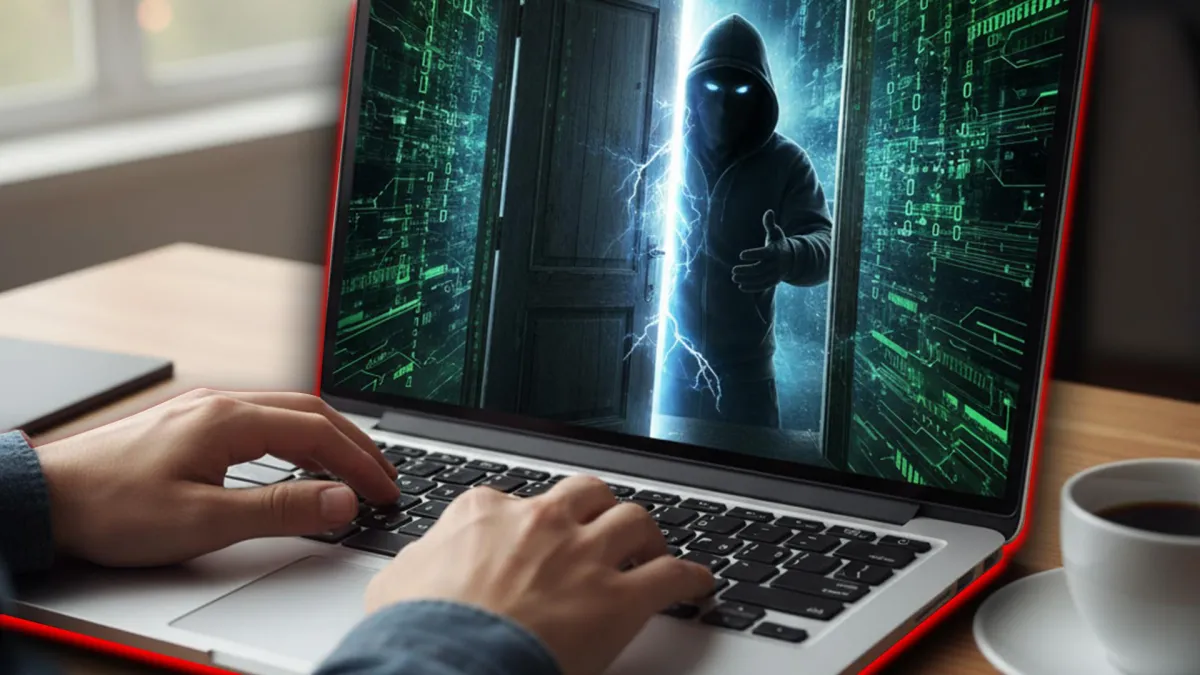
Guess Who’s Already Inside
Your phone is more than a phone
It’s a wallet, a filing cabinet, a work desk and a personal vault, and hackers know it. The same goes for laptops and tablets, which hold everything from financial records to business emails.
Cyber threats are no longer confined to corporate networks. Personal devices have become prime targets, and a single weak link can put both personal and professional data at risk. Ransomware and extortion incidents surged by 67 per cent in 2023, underscoring how aggressively cybercriminals are targeting individuals and businesses alike.
With remote work, cloud access and bring-your-own-device policies, the line between personal and business security has blurred. One compromised device can expose sensitive company data, making cybersecurity a shared responsibility, not just an IT problem.
The good news: protecting your personal devices doesn’t have to be complicated. This guide outlines how to stay safe, whether you’re at home, on public Wi-Fi or anywhere in between.
Keep devices updated
Hackers love outdated software. When a device runs an old operating system or an app hasn’t been updated in months, it becomes an easy target for cybercriminals looking to exploit known security gaps.
Many attacks take advantage of vulnerabilities that have already been patched in newer versions. Falling behind on updates is like leaving the front door unlocked.
Turn on automatic updates for your operating system, apps and security software so you never miss an important fix. Regularly update browsers, firmware and plug-ins, especially those that handle sensitive data. Even a short delay in patching can leave your system exposed.
Use strong authentication
A weak password is like a flimsy lock on your front door. It might deter casual intruders, but a determined hacker can break in with ease.
Password breaches remain one of the most common ways cybercriminals gain access to personal and business accounts. Once they crack one password, they often try it across multiple platforms, making reused passwords a major security risk.
Enable multi-factor authentication (MFA) on important accounts such as banking, email and cloud storage. MFA adds an extra layer of verification, like a fingerprint or one-time code, making it much harder for hackers to break in, even if they’ve stolen your password.
Use strong, unique passwords for every account. Avoid predictable choices such as “password123” or birthdays. Consider using a password manager to generate and securely store complex credentials.
Secure your internet connection
An internet connection is only as safe as the network behind it. Unsecured Wi-Fi allows hackers to intercept data, steal credentials or take control of connected devices. Without proper security, cybercriminals can exploit weak routers, spy on traffic or install malware before you even notice.
Protect your home network with strong encryption. Modern routers support WPA3, which provides better protection than older WPA2 or WEP standards. Change your router’s default password since factory credentials are often easy to guess.
Public Wi-Fi is another major risk. If you need to access sensitive accounts on an unsecured network, use a virtual private network (VPN) to encrypt your data and block snooping.
Watch out for phishing and scams
Hackers don’t always rely on sophisticated tools. Sometimes, they simply trick people into handing over their data. Phishing remains one of the most effective cyberattacks because it exploits human trust rather than technology.
Cybercriminals send fake emails or texts, or set up bogus websites to steal passwords, financial information or personal details. Clicking the wrong link or entering credentials on a fake site can give hackers full access to your accounts.
A 2023 study found that 10.4 per cent of employees worldwide clicked on malicious links, and more than 60 per cent of those went on to submit a password on a fake site. That’s how easily phishing can succeed.
Always think before you click. Be suspicious of messages claiming to be from banks, subscription services or government agencies, especially those demanding immediate action. Before entering any information, check that the website address starts with “https://” to confirm it’s secure.
Digital security is a habit, not a task
Cybersecurity isn’t a one-time fix. It’s a mindset. It’s about developing habits that prioritize caution over convenience. Our devices are vaults of personal and professional data, gateways to financial accounts and, if left unprotected, open invitations to cybercriminals.
Security doesn’t have to be complicated, but it does have to be intentional. Updating software, enabling MFA, securing networks and pausing before clicking are acts of digital self-defence.
Just as we lock our doors at night without thinking twice, protecting our devices should be second nature.

